




เหตุใดชามสลัดจึงต้องมีโครงสร้างกระดาษที่แตกต่างจากภาชนะบรรจุอาหารร้อน
At first glance, a salad bowl and a hot soup container share the same basic architecture — food-grade paperboard with a moisture barrier lining. In practice, they face entirely different material stresses, and specifying the wrong construction for cold, fresh food applications leads to predictable performance failures that affect both product quality and customer experience.
ภาชนะบรรจุอาหารร้อนได้รับการออกแบบทางวิศวกรรมมาเพื่อการจัดการเป็นหลัก ไอน้ำและความร้อนจากการแผ่รังสี : ความชื้นเคลื่อนออกจากอาหารที่ร้อนผ่านผนังภาชนะ และชามจะต้องต้านทานการอ่อนตัวลงภายใต้ภาระความร้อนที่ต่อเนื่อง ชามสลัดเผชิญกับความท้าทายที่ตรงกันข้าม ปล่อยสลัดสด ผลไม้ และชามโผล่ ความชื้นที่เย็น น้ำสลัดที่เป็นกรด และน้ำมัน that migrate laterally through the bowl base and sidewall under static load — a stress mode that heat-optimized paperboard constructions are not calibrated to resist.
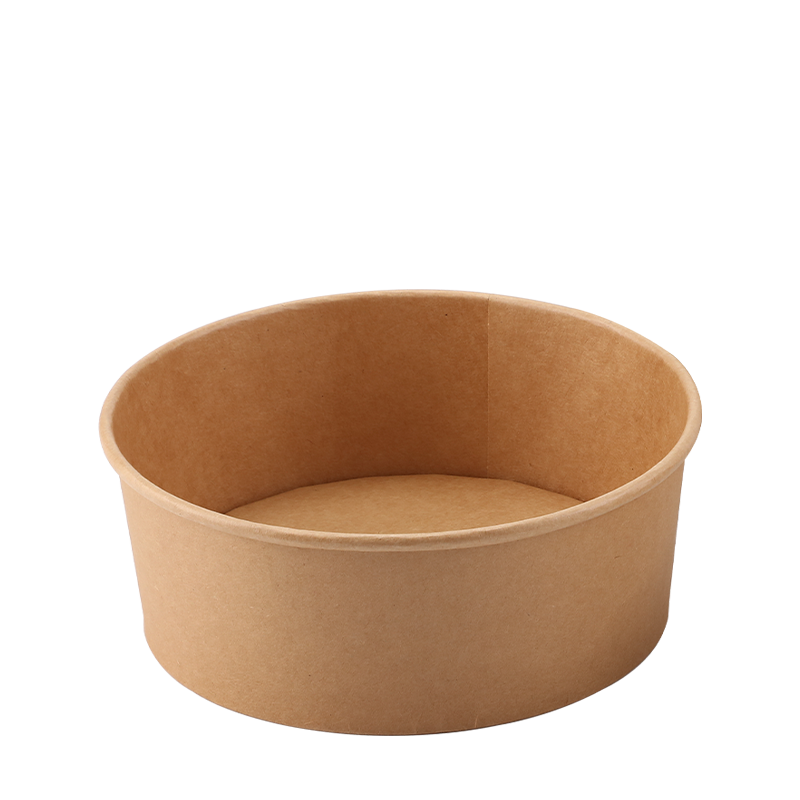
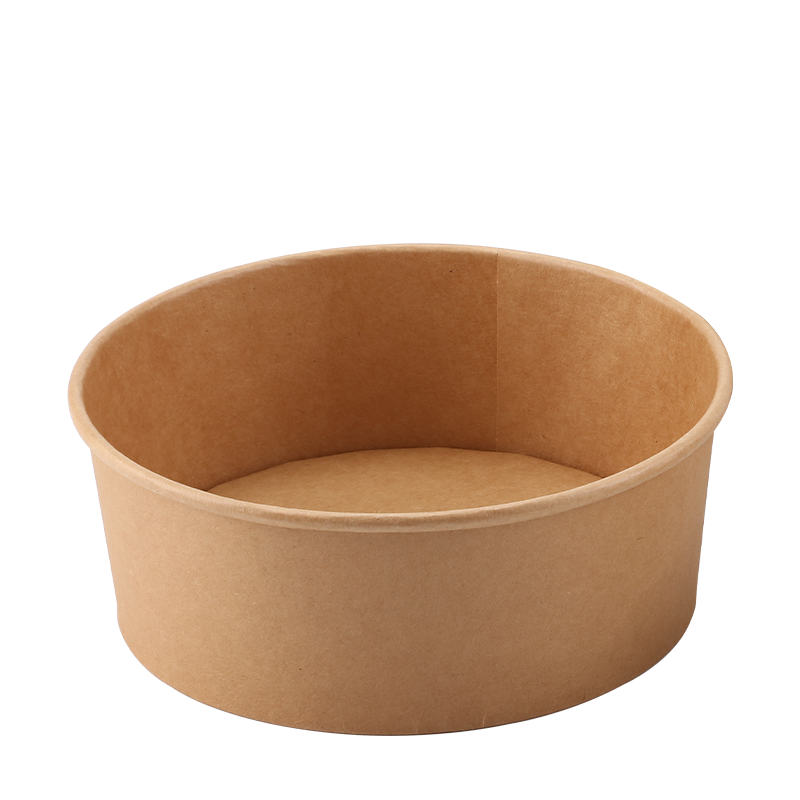
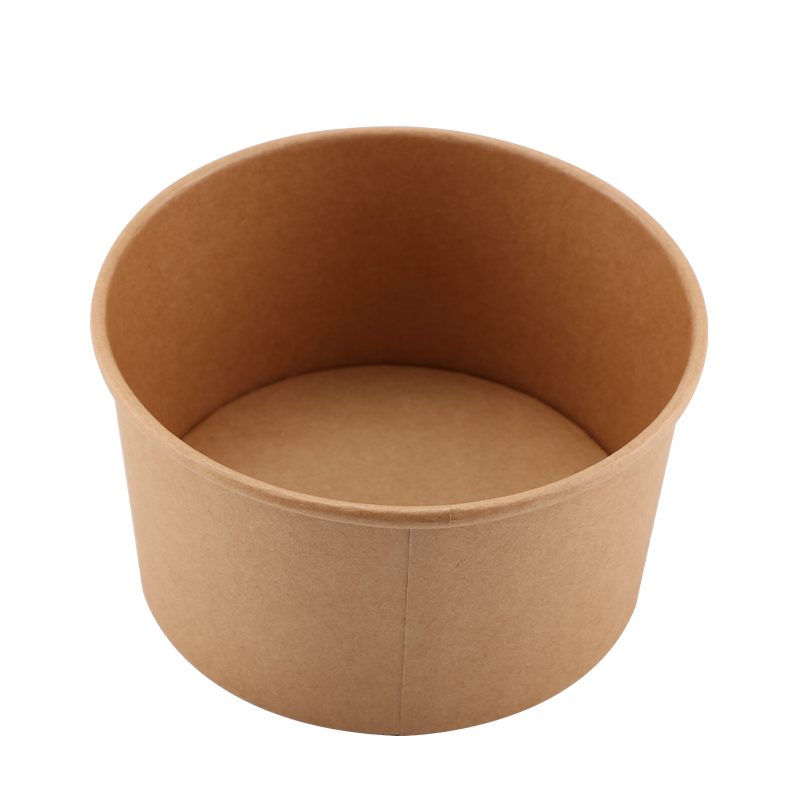
ความแตกต่างทางโครงสร้างที่สำคัญในการก่อสร้างชามกระดาษสำหรับสลัดโดยเฉพาะ ได้แก่:
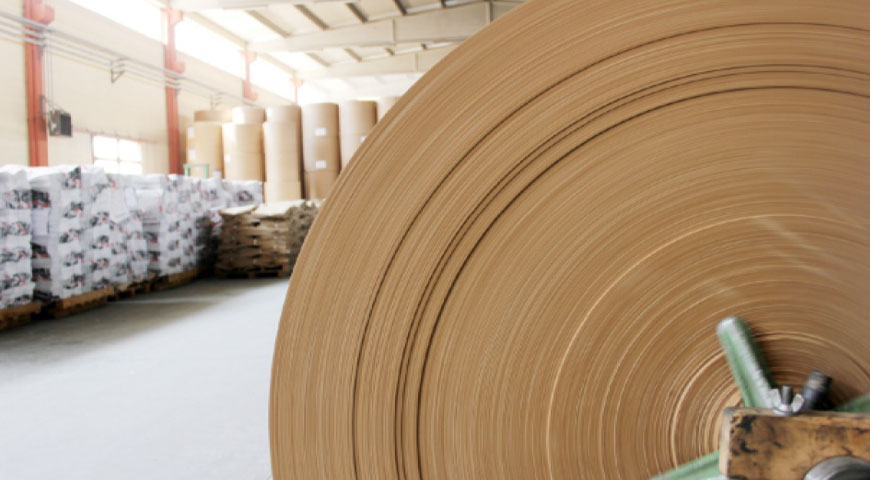
- กระดาษแข็งน้ำหนักฐานสูงกว่า — ชามสลัด โดยทั่วไปจะระบุกระดาษแข็งที่ 280–400 แกรม ซึ่งหนักกว่าโครงสร้างถ้วยร้อนที่มีปริมาตรเท่ากัน เพื่อให้มีเมทริกซ์ไฟเบอร์ที่หนาแน่นกว่า ซึ่งต้านทานการเคลื่อนตัวของความชื้นในความเย็น โดยใช้เวลากักเก็บนาน 30–90 นาที ซึ่งพบได้ทั่วไปในการใช้งานในการจัดส่ง
- ซับในทนน้ำมัน — Vinaigrette dressings, tahini sauces, and avocado-based toppings contain lipid compounds that penetrate standard moisture-only PE coatings over time. วัสดุบุผิวชามสลัดได้รับการกำหนดสูตรด้วยคุณสมบัติต้านทานน้ำมันและจาระบี (OGR) ที่ผ่านการตรวจสอบแล้ว ซึ่งเป็นข้อกำหนดที่แตกต่างจากคุณสมบัติกันน้ำทั่วไป
- รอยเท้าฐานที่กว้างขึ้น — The bowl geometry distributes the weight of dense ingredients — grains, legumes, proteins — across a larger base area, reducing the point-load pressure that causes base failure in narrow-bottomed container designs.
การวางแผนความจุสำหรับการใช้งานชามสลัด: ขนาดที่ตรงกันกับรูปแบบเมนู
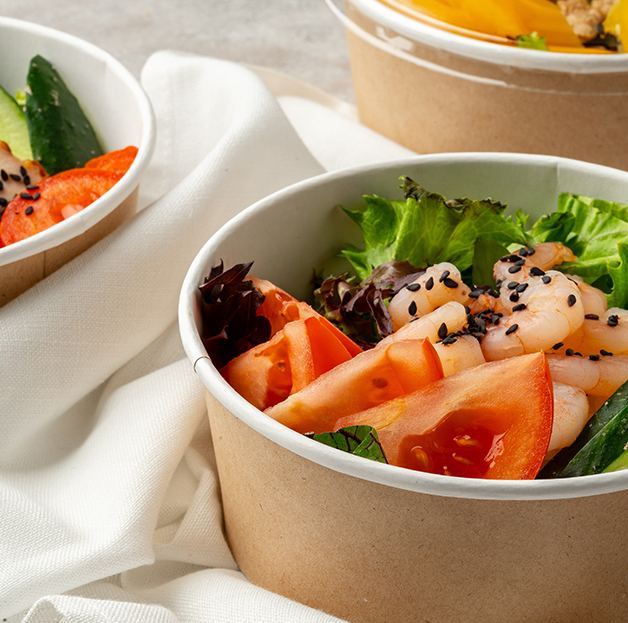
Salad bowl sizing is more complex than beverage cup sizing because portion weight varies dramatically across menu formats — a 32oz bowl filled with leafy greens weighs a fraction of the same volume filled with a grain-heavy poke bowl. ผู้ปฏิบัติงานจำเป็นต้องปรับความจุของโถให้สอดคล้องกับความคาดหวังในการเติมด้วยภาพและพิกัดน้ำหนักบรรทุกของโครงสร้าง
| ขนาดชาม | น้ำหนักเนื้อหาทั่วไป | แอปพลิเคชั่นที่ดีที่สุด | แนะนำฝา |
|---|---|---|---|
| 12 ออนซ์ | 150–250 ก | สลัดข้าง ถ้วยผลไม้ ส่วนอาหารว่าง | ฝาแบน PET |
| 16 ออนซ์ | 250–380 ก | สลัดเสิร์ฟเดี่ยว ส่วนพาสต้าแบบเบา ๆ | โดม PET หรือฝาแบน |
| 24 ออนซ์ | 380–550 ก | สลัดอาหารจานหลัก โปเกโบลว์ ชามธัญพืช | ฝาโดม PET หรือฝากระดาษคราฟท์ |
| 32 ออนซ์ | 550–750 ก | ชามอาหารขนาดใหญ่ โปเกเต็มอิ่ม พาสต้าเมน | ฝากระดาษคราฟท์มีกาวซีล |
| 50 ออนซ์ | 750 ก | การแบ่งส่วน การจัดเลี้ยงแบบบุฟเฟ่ต์ การเตรียมอาหาร | ฝากระดาษคราฟท์หรือฝาโดม PET |
สำหรับการดำเนินการที่เน้นการจัดส่ง การเลือกชามควรคำนึงถึงด้วย การวางซ้อนความมั่นคงในถุงจัดส่ง . Wider-base bowls in the 24–32oz range stack more securely in insulated delivery bags than tall, narrow formats, reducing the risk of content spillage during transit — a factor that directly influences customer review scores on third-party delivery platforms.
ฝาใส PET กับฝากระดาษคราฟท์: ข้อเสียด้านประสิทธิภาพและตำแหน่ง
The lid choice for a salad paper bowl is not merely a functional decision — it communicates brand positioning, affects food presentation at point of sale, and carries distinct sustainability implications. การทำความเข้าใจถึงข้อดีข้อเสียในการปฏิบัติงานระหว่างฝาใส PET และฝากระดาษคราฟท์ ช่วยให้ผู้ปฏิบัติงานสามารถตัดสินใจโดยมีข้อมูลครบถ้วนโดยสอดคล้องกับรูปแบบการบริการและความคาดหวังของลูกค้า
ฝาใส PET
PET lids provide full visual transparency, allowing customers to inspect bowl contents without opening the lid — a significant advantage at grab-and-go counters, salad bar displays, and refrigerated retail cabinets where purchase decisions are visually driven. Dome-profile PET lids accommodate mounded toppings such as croutons, seeds, or piled greens without compressing the presentation. The material's rigidity also provides structural support to the bowl rim during stacking in display cases.
The primary limitation of PET lids is their sustainability profile. Standard PET lids are recyclable in markets with established PET collection infrastructure but are increasingly subject to EPR fees in EU and UK markets. For operators building a sustainability narrative around their packaging, the visual impact of a plastic lid can undermine messaging even when the bowl itself uses a PLA or recyclable coating.
ฝากระดาษคราฟท์
ฝากระดาษคราฟท์สอดคล้องกับแบรนด์ที่เน้นความเป็นธรรมชาติ ช่างฝีมือ และความยั่งยืน Their opaque surface provides a premium print canvas for branding, ingredient listings, or QR codes linking to nutritional information — a growing requirement for foodservice operators supplying corporate lunch programs and health-focused café chains. ฝาคราฟท์ที่มีซับใน PE หรือ PLA ให้ความทนทานต่อความชื้นเพียงพอสำหรับสลัดที่ราดน้ำสลัดเปียกตลอดระยะเวลารอจัดส่งโดยทั่วไป
ข้อเสียเปรียบด้านการทำงานคือการไม่มีความโปร่งใสในการมองเห็น ซึ่งช่วยลดยูทิลิตี้การแสดงผลแบบหยิบแล้วไปใช้งานได้ และต้องใช้กลยุทธ์การติดฉลากแยกต่างหากสำหรับสภาพแวดล้อมการค้าปลีกหรือบริการตนเอง For kitchen-to-customer delivery models where the bowl is assembled and sealed out of customer sight, this limitation is operationally irrelevant.
Oil and Grease Resistance in Salad Bowl Linings: Testing Standards Buyers Should Know
การต้านทานน้ำมันเป็นพารามิเตอร์ประสิทธิภาพซับในที่สำคัญที่สุดสำหรับการใช้งานชามสลัด แต่ก็เป็นหนึ่งในพารามิเตอร์ที่ระบุอย่างสม่ำเสมอน้อยที่สุดในกระบวนการจัดซื้อ Many buyers default to requesting "food-grade PE lining" without specifying an oil resistance grade — a gap that allows wide variation in real-world performance between suppliers.
การทดสอบมาตรฐานอุตสาหกรรมสำหรับการต้านทานน้ำมันและจาระบีในบรรจุภัณฑ์อาหารที่ทำจากกระดาษคือ ชุดทดสอบ (TAPPI T559) ซึ่งใช้ชุดสารละลายน้ำมันละหุ่ง/เฮปเทน/โทลูอีนเพื่อเพิ่มความเข้มข้น (ชุดที่ 1 ถึงชุดที่ 12) กับพื้นผิวเคลือบและวัดเวลาในการซึมผ่าน สำหรับการใช้งานชามสลัดที่เกี่ยวข้องกับน้ำสลัดที่มีน้ำมัน เกณฑ์มาตรฐานประสิทธิภาพที่เกี่ยวข้องคือ:
- ชุดที่ 3–4 — ขั้นต่ำที่ยอมรับได้สำหรับน้ำสลัดแบบบางเบา (น้ำสลัดวิเนเกรตต์ น้ำมันเลมอน) โดยใช้เวลาพักสั้นไม่เกิน 20 นาที
- ชุดที่ 5–7 — Appropriate for medium-weight dressings (tahini, pesto, Caesar) with hold times up to 60 minutes
- ชุดที่ 8–10 — แนะนำสำหรับการใช้งานที่มีน้ำมันสูง (ชามอะโวคาโด ท็อปปิ้งโปรตีนที่มีไขมัน) หรือเวลารอจัดส่งเกิน 60 นาที
เมื่อจัดหา ชามกระดาษสลัด สำหรับการดำเนินการที่เน้นการจัดส่ง การขอคะแนนการทดสอบชุดเฉพาะของวัสดุบุโถ แทนที่จะเป็นการรับรองเกรดอาหารทั่วไป ถือเป็นพื้นฐานที่สามารถวัดผลได้สำหรับการเปรียบเทียบประสิทธิภาพระหว่างซัพพลายเออร์ และป้องกันความล้มเหลวในภาคสนามที่เกิดจากบรรจุภัณฑ์ที่ไม่ระบุ
Rolled Rim Engineering: Why the Bowl Edge Determines Lid Seal Reliability
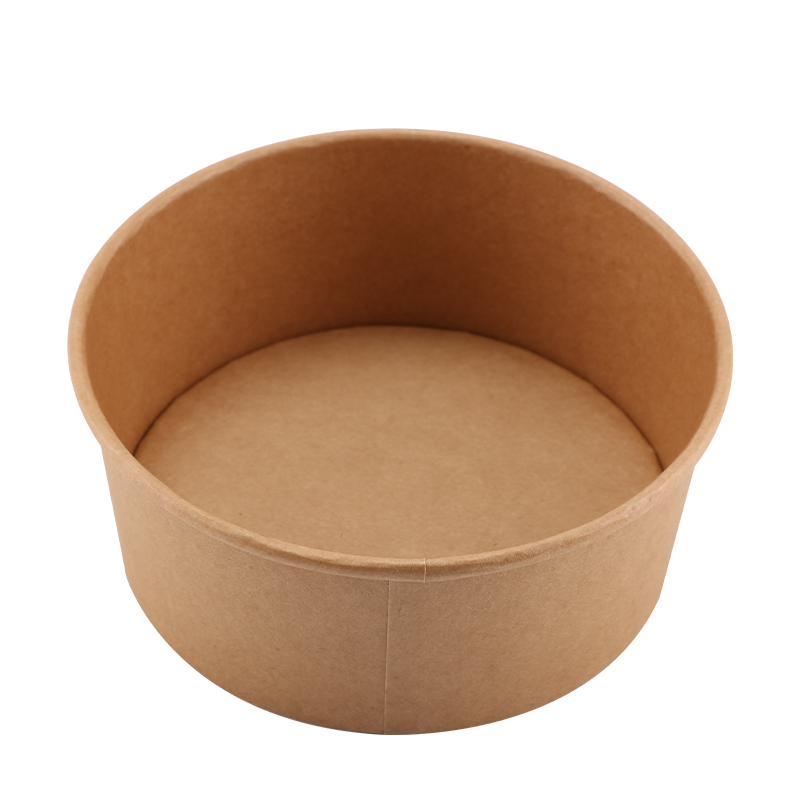
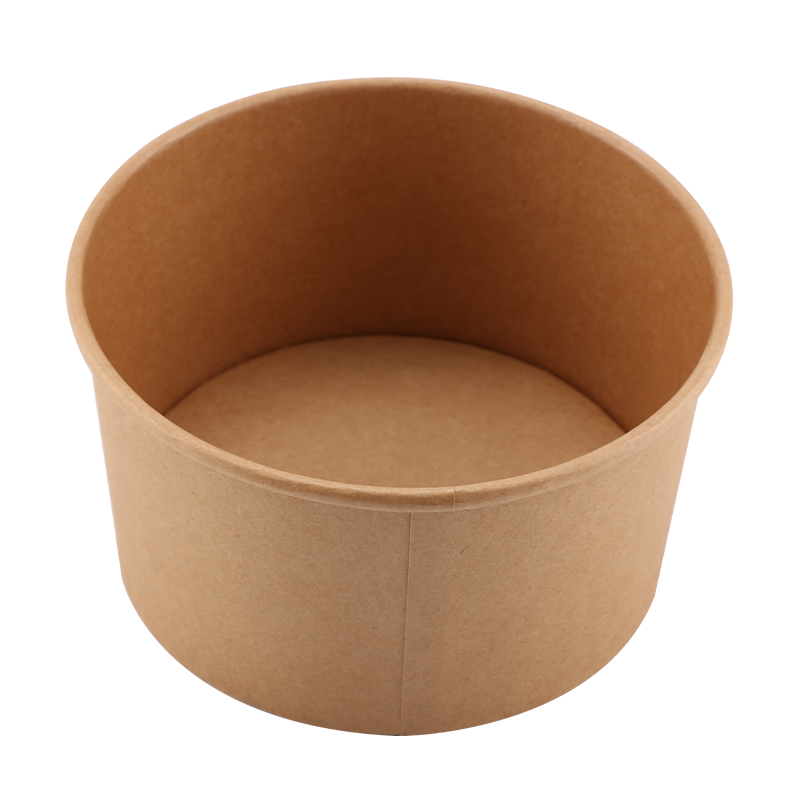
The rolled rim is the most mechanically complex feature of a paper bowl and the one most directly responsible for real-world leak performance. แม้จะมีขนาดทางกายภาพที่เล็ก แต่รูปทรงของขอบล้อ พิกัดความเผื่อของขนาด และคุณภาพการตกแต่งจะเป็นตัวกำหนดว่าการผสมผสานระหว่างชามและฝาจะปิดผนึกที่เชื่อถือได้ตลอดวงจรการส่งมอบหรือการแสดงผลหรือไม่ หรือล้มเหลวอย่างคาดเดาไม่ได้ภายใต้ความเครียดจากการขนส่ง
A well-engineered rolled rim performs four simultaneous functions:
- พื้นผิวการมีส่วนร่วมของฝาปิด — The outer diameter of the rolled rim must fall within a tight tolerance (typically ±0.5 mm) to engage consistently with the lid's inner channel. Dimensional variance beyond this range results in either loose-fitting lids that detach under lateral force or over-tight fits that damage the rim during lid application — both failure modes that manifest as leaks.
- การแข็งตัวของโครงสร้าง — การกลิ้งขอบจะแปลงขอบที่เปิดของแก้มชามจากจุดที่อ่อนแอที่สุดในโครงสร้างไปเป็นจุดแข็งที่สุด โดยกระจายแรงกดของด้ามจับให้ทั่วถึงรอบปากชาม และป้องกันการเสียรูปรูปวงรีที่ทำให้ซีลฝาแตกระหว่างการขนส่ง
- การยศาสตร์ของผู้ใช้ — ขอบม้วนที่ปิดมิดชิดและเรียบเนียนช่วยลดขอบกระดาษที่คมซึ่งทำให้เกิดรอยบาด และให้พื้นผิวจับที่สะดวกสบายสำหรับผู้บริโภคที่รับประทานอาหารจากชามโดยตรง ซึ่งเป็นรูปแบบการใช้งานทั่วไปสำหรับชามโปเกและสลัดมื้อกลางวันบนโต๊ะ
- ความสมบูรณ์ของการเคลือบผิวที่ขอบ — กระบวนการรีดจะต้องปิดขอบดิบของกระดาษแข็ง เพื่อป้องกันไม่ให้หน้าตัดของเส้นใยที่ไม่เคลือบสัมผัสกับอาหารหรือความชื้นโดยตรง Incomplete rolling that leaves exposed raw fiber at the rim edge is a food safety concern and a common cause of rim softening failure.
Salad Bowl Packaging for Meal Prep and Retail: Specification Differences from Foodservice
การเติบโตของบริการจัดส่งอาหารเตรียมอาหารและโปรแกรมสลัดแบบซื้อกลับบ้านในตู้เย็นของร้านค้าปลีกได้ก่อให้เกิดชุดข้อกำหนดชามสลัดที่แตกต่างอย่างมากจากการใช้งานด้านบริการอาหารแบบบริการทันที Operators and procurement teams sourcing bowls for these channels need to evaluate specifications against a different performance baseline.
Key differentiated requirements for retail and meal prep applications include:
- ประสิทธิภาพการทำความเย็นที่ยาวนานขึ้น — Retail salad bowls may remain in a refrigerated cabinet for 12–72 ชั่วโมง before purchase, compared to the 30–90 minute window of delivery applications. Over this extended period, cold moisture from fresh produce continuously contacts the bowl interior. Lining integrity must be validated at refrigeration temperatures (2–5 °C) over the full shelf-life window, not only at ambient conditions.
- การปิดผนึกที่เห็นได้ชัดเจน — Retail environments require clear visual evidence that a bowl has not been opened prior to purchase. ฟิล์มห่อหุ้มด้วยความร้อน ฝาปิดแท็บที่แตกหักได้ หรือการซีลฉลากด้วยกาวที่จุดเชื่อมต่อฝาปิด-ขอบเป็นโซลูชันมาตรฐาน โดยทางเลือกต่างๆ ขึ้นอยู่กับความต้องการของพันธมิตรผู้ค้าปลีกและความสามารถของสายการซีลของผู้ปฏิบัติงาน
- การยึดเกาะของฉลากบนพื้นผิวเคลือบ — Ingredient, allergen, and best-before labels must adhere reliably to the coated outer surface of the bowl at refrigeration temperatures. PE and PLA-coated surfaces have lower surface energy than uncoated board, which reduces adhesive bond strength. Requesting adhesion test data at 4 °C for the specific label stock and adhesive being used prevents in-store label detachment complaints.
- คะแนนโหลดซ้อน — In refrigerated display cabinets, filled bowls are typically stacked 2–4 units high. ฐานชามต้องได้รับการจัดอันดับเพื่อรองรับแรงอัดนี้โดยไม่เปลี่ยนรูป เนื่องจากการยุบตัวของฐานจะเปลี่ยนรูปทรงของซีลฝา และทำให้เกิดการรั่วไหลที่ปนเปื้อนผลิตภัณฑ์ที่อยู่ติดกัน ซึ่งเป็นความรับผิดที่สำคัญในสภาพแวดล้อมการค้าปลีก